Marketing is critical for business growth—but many businesses spend thousands of dollars each month with minimal results. Campaigns fail, leads don’t convert, and money seems to disappear into a black hole. Often, this isn’t due to bad intentions but because businesses approach marketing the wrong way.
In this blog, we’ll explore why most businesses waste money on marketing and provide actionable strategies to fix it.
1. Lack of a Clear Strategy
One of the biggest reasons businesses waste marketing dollars is the absence of a clear plan. Marketing without strategy is like shooting arrows in the dark—you might hit the target occasionally, but most efforts miss.
Signs of a strategy problem:
-
Random social media posts without a clear goal.
-
Advertising campaigns run without tracking ROI.
-
No defined audience or target market.
Solution:
-
Start with a clear marketing plan: define your audience, goals, key messages, and channels.
-
Focus on measurable objectives like leads, sales, or engagement rates.
-
Track performance and adjust campaigns based on data.
2. Targeting the Wrong Audience
Even a well-designed campaign will fail if it reaches the wrong people. Businesses often waste money promoting to a broad audience without understanding who their ideal customer is.
Solution:
-
Create a detailed buyer persona including age, location, interests, challenges, and purchasing behavior.
-
Use audience targeting features in ad platforms like Facebook, Google, or LinkedIn.
-
Focus on quality leads, not sheer quantity.
Marketing works best when it speaks directly to the people most likely to buy.
3. Chasing Vanity Metrics
Many businesses measure success by likes, followers, or impressions rather than results that impact revenue. While engagement is nice, it doesn’t automatically translate into sales.
Solution:
-
Track metrics that matter, such as click-through rates, conversions, and cost per acquisition (CPA).
-
Set up tracking in Google Analytics, Facebook Pixel, or other analytics tools to measure real ROI.
-
Reallocate budget away from channels that generate “noise” instead of paying customers.
4. Focusing on the Wrong Channels
Spending heavily on channels that don’t work for your business is another common mistake. Some businesses assume Facebook ads, Google Ads, or influencer partnerships will automatically drive sales, without testing or understanding their audience.
Solution:
-
Start small: test multiple channels with minimal budgets.
-
Identify which channels generate actual leads or sales, not just traffic.
-
Double down on the channels that deliver results.
Not every marketing channel fits every business. Data should guide your spending decisions.
5. Neglecting the Customer Journey
Many businesses focus only on getting traffic or leads, forgetting that customers need a nurturing process to convert. Without guiding prospects through the journey, you waste money acquiring leads that never buy.
Solution:
-
Map the customer journey from awareness to conversion and beyond.
-
Use email sequences, retargeting ads, or content marketing to nurture leads.
-
Provide value at every stage to build trust and guide decisions.
A well-structured funnel ensures that marketing spend turns into actual revenue.
6. Overcomplicating Campaigns
Some businesses waste money trying to implement complex campaigns with multiple ads, videos, and platforms without understanding the basics. Complexity doesn’t guarantee results—it often dilutes focus.
Solution:
-
Keep campaigns simple and targeted.
-
Test one variable at a time, such as ad copy, creative, or audience.
-
Scale what works before adding more complexity.
Simple campaigns often outperform over-engineered efforts because they are easier to optimize and track.
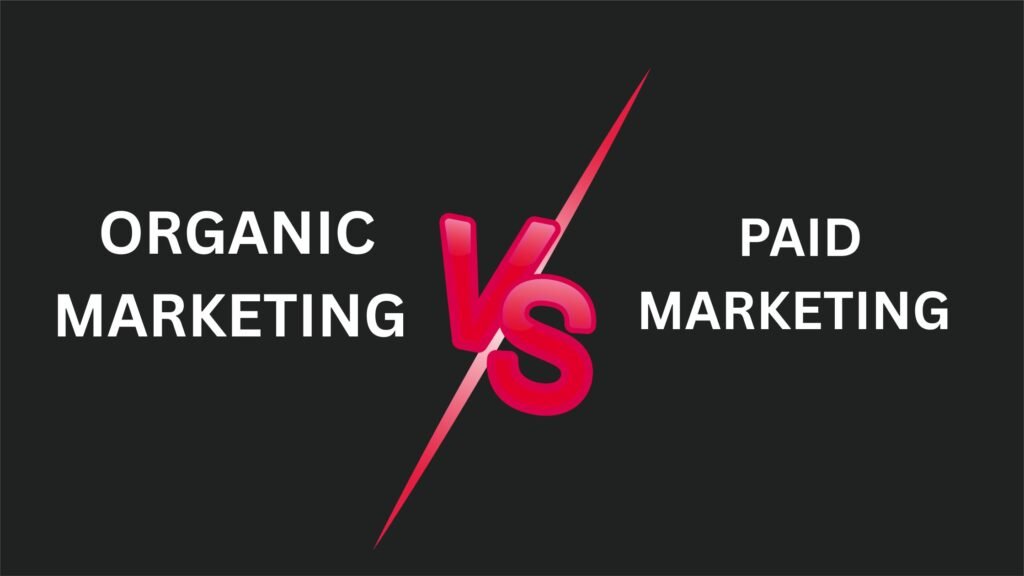
7. Ignoring Content and Organic Marketing
Relying solely on paid marketing can quickly drain budgets. Many businesses ignore organic strategies that build sustainable traffic and leads over time.
Solution:
-
Invest in content marketing, such as blogs, videos, and social media posts that educate and engage your audience.
-
Use SEO to attract long-term, free traffic.
-
Combine paid and organic strategies to maximize efficiency.
Organic marketing may take longer to show results, but it reduces dependency on paid ads and improves ROI.
8. Not Measuring and Iterating
Failing to analyze results is a major reason marketing budgets go to waste. Businesses often “set it and forget it,” running campaigns without adjustments.
Solution:
-
Track key metrics continuously.
-
Run A/B tests to optimize copy, creative, or targeting.
-
Make decisions based on data, not assumptions.
Iterating campaigns based on performance ensures every dollar spent is optimized for maximum return.
9. Align Marketing With Business Goals
Marketing that isn’t aligned with business objectives wastes both time and money. Some campaigns are creative and visually appealing but don’t contribute to growth or revenue.
Solution:
-
Ensure every campaign has a clear purpose, whether it’s generating leads, sales, or brand awareness.
-
Align metrics with overall business goals.
-
Evaluate ROI not just in reach or engagement but in actual results that drive growth.
10. Focus on Education and Value
Finally, businesses often waste money trying to “sell hard” rather than providing value. Modern audiences ignore aggressive sales tactics. Marketing works best when it educates, entertains, or solves a problem.
Solution:
-
Position marketing as a resource for your audience.
-
Offer free guides, tutorials, or tools that demonstrate your expertise.
-
Build trust before asking for the sale.
Value-driven marketing reduces wasted spend and increases conversions.
Conclusion
Most businesses waste money on marketing because they lack strategy, focus, or data-driven execution. The key problems include:
-
No clear plan or measurable goals
-
Targeting the wrong audience
-
Focusing on vanity metrics instead of results
-
Ignoring the customer journey
-
Over-reliance on paid advertising
To spend marketing dollars wisely in 2026:
-
Develop a clear, measurable marketing strategy.
-
Focus on the right audience with targeted campaigns.
-
Combine organic and paid marketing for sustainable results.
-
Measure performance and optimize continuously.
-
Provide value before asking for a sale.
Marketing is an investment, not an expense. By following these principles, businesses can reduce wasted spend, improve ROI, and grow efficiently without unnecessary costs.